

Barriers to Reading
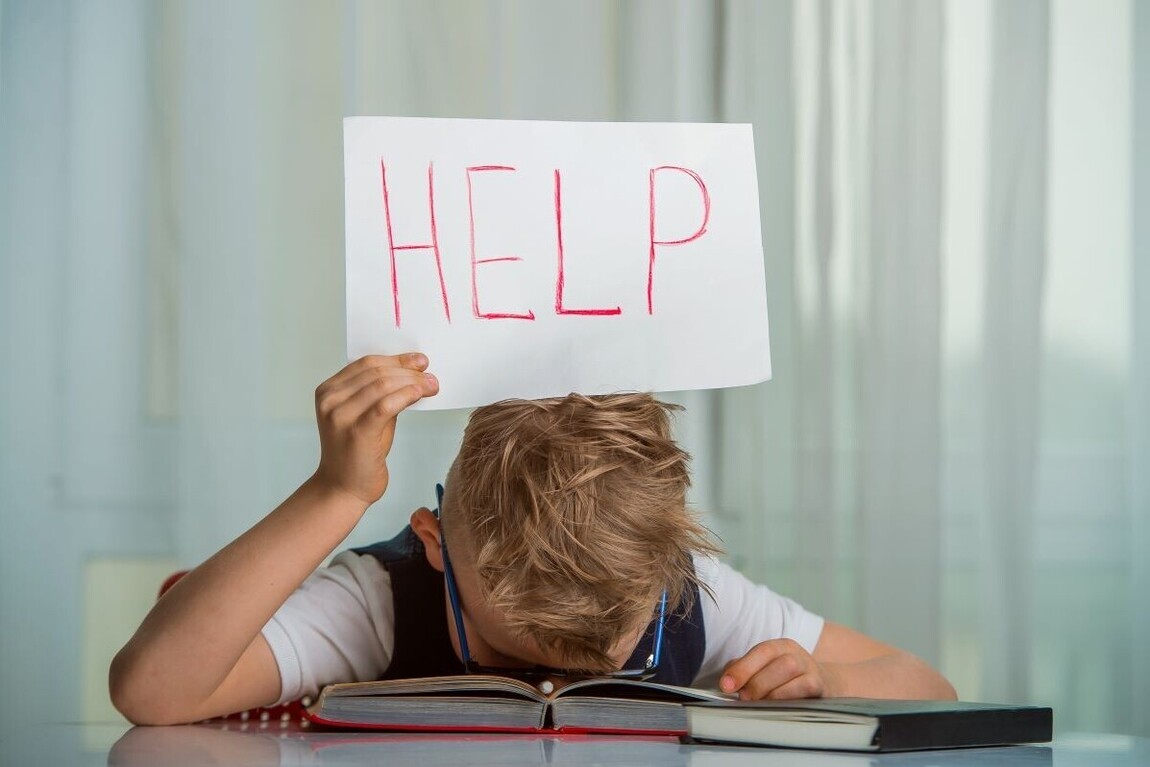
At Let's Talk Reading we have found that children and adults who struggle to read are often unknowingly suffering from one or more conditions which adversely affect reading, and other aspects of life.
Most of us are now aware of dyslexia, poor eyesight and deafness. Unfortunately, not every school has the capacity to complete checks on all pupils for these well-known conditions.
However, have you come across:
- Sensory Integration issues
- Retained Primitive Reflexes (RTR)
- Irlen Syndrome
Many of these conditions are related, and a pupil may exhibit elements from several conditions. Here at LTR we hope to help schools and settings learn more and feel equipped to help their readers identify barriers to reading. Scroll to the bottom of the page for case studies, and contact us if you seek more help or information.

What is Irlen Syndrome?
Irlen Syndrome (also Meares-Irlen Syndrome, Scotopic Sensitivity Syndrome) is a problem with the brain’s ability to process visual information. This problem tends to run in families and is not currently identified by other standardised educational or medical tests.
Irlen Syndrome can affect many different areas, including:
- Academic and work performance
- Behaviour
- Attention
- Ability to sit still
- Concentration
It is a complex and variable condition which can often coexist with learning difficulties. Irlen Syndrome can be found in combination with dyslexia, autism, ADHD, dyspraxia, dysphasia, or hyperactivity. This light sensitivity can also lead to overloading the other senses, often triggering distress and migraines. (Irlen East)
We have recently conducted a research project where we trained school staff to have screening skills aiding schools to identify and support diagnosed children. See below for results.
Otherwise, see www.irleneast.com for more information.
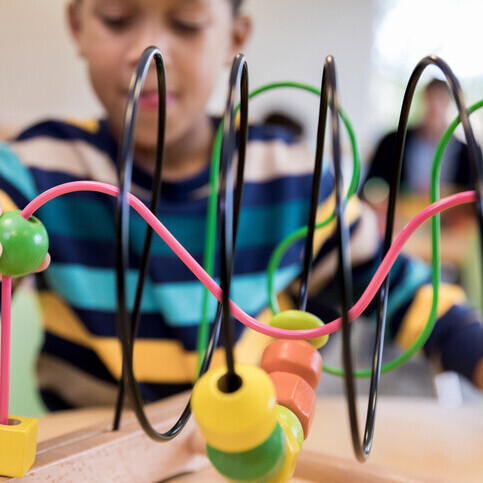
Cognitive and Physical Barriers
LTR recommends looking to Fit 2 Learn who have expertise in the areas of:
- Motor skills
- Sound processing skills
- Tomatis sound therapy
- Visual skills
Including more information on how these skills inter-relate using of games, puzzles and physical activities. Furthermore, offering information on how trauma of all kinds can impact on skills development.
SOUND PROCESSING
The ability to make sense of what is heard and not to be overwhelmed by sound.
VISUAL PROCESSING
The ability to use two eyes together to send messages efficiently to the brain; and for the brain to be able to “see” and make sense of images such as 3D images, patterns, create visual memories and so on.
COGNITIVE DEVELOPMENT
Achieving motor sensory integration at the highest cognitive level to the point where a person can use all their senses together to read for meaning or to solve any problem.
Further resources include:
The Maze of Learning: Developing Motor Skills
Local expert partners: at the Multi-Sensory Training Centre.
Irlen Screening LTR Project (2025)
LTR conducted a study with schools in Ipswich to train staff, screen students and fund for aids to help students then diagnosed with Irlen.
UoS Impact Report (2025)
An Impact Report conducted by Kelly-Marie Taylor, a senior lecturer and course leader at University of Suffolk
Reading for Pleasure Research (2025)
Leighanna Howes, our School Liaison Officer, completed a Masters Research paper on Reading for Pleasure.
Storytimes Case study (2020)
A case study focusing on LTR's termly storytime visits to local Ipswich early years settings
The Oaks Primary Case Study (2018)
Books at the heart of the curriculum partnership with the Oaks Primary School, IP2